
You Got a Low NPS® Score. Now What? A 48-Hour Plan for Detractors
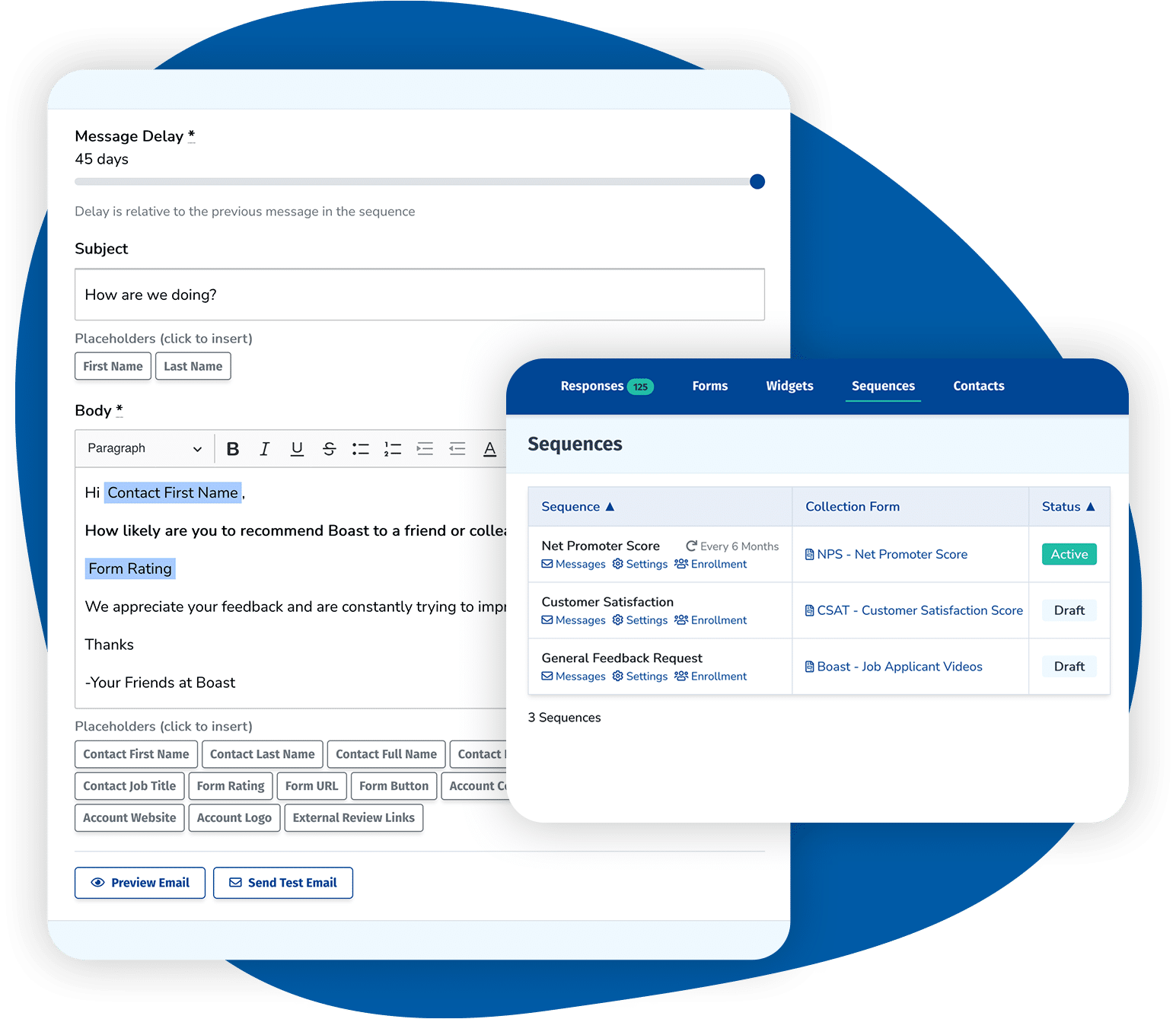
The survey results are in, and there it is: a 3 out of 10. Maybe with a comment. Maybe without.
It stings. The temptation is to look away, or to argue with it in your head. Don't. That customer just did you a favor. They told you something was wrong while they're still a customer.
Most unhappy customers never say anything. They just leave. A detractor who answers your survey is giving you a chance to fix it. Here's how to use it.
First, a quick refresher
In an NPS® survey, people rate how likely they are to recommend you from 0 to 10. Those who answer 0 to 6 are detractors, 7 or 8 are passives, and 9 or 10 are promoters. (Here's a fuller explanation of promoters, passives and detractors.)
Your score is a number. Your detractors are people. The second part matters more.
Hours 0 to 24: Acknowledge it
Speed matters more than polish. A quick, human reply tells the customer their answer didn't vanish into a spreadsheet.
Who should reach out? Someone who can actually help: an account manager, a team lead, the owner of a small business. Not a no-reply address.
What to say: Thank them. Ask one question. Don't defend anything yet.
"Hi Jordan, thanks for being honest in our survey. I'm sorry we fell short. Would you be open to telling me a bit more about what happened? I'd like to make it right."
That's it. No explanations, no "per our policy." Just listening.
If they left a comment, show you read it: "You mentioned the onboarding felt rushed. That's on us."
Hours 24 to 48: have the conversation
If they reply, offer a short call. Many problems are easier to understand, and easier to forgive, when people hear a real voice.
On the call:
- Listen more than you talk. Let them tell the whole story before you respond.
- Repeat back what you heard. "So the main issue is that support took three days to get back to you?" They'll correct you if you're off, and they'll feel heard either way.
- Don't argue the facts. Even if their version is a little off, their experience is real.
- Say what you'll do, and by when. Then do it.
If you can fix the problem right away, fix it. If it's a bigger issue, tell them honestly what will change and when they'll hear back.
For more on keeping your cool when the feedback is tough: how to take negative feedback with grace.
After 48 hours: close the loop
The follow-up is where trust actually gets rebuilt.
- Send a short recap. What you heard, what you're doing about it.
- Report back when it's done. "We've changed how onboarding works, partly because of your feedback." Customers rarely hear this, and it's memorable.
- Check in later. A month or two on, ask how things are going now.
Some detractors become your most loyal customers, because they've seen how you act when something goes wrong. That's a story no marketing can tell for you.
Look for patterns, not just people
One detractor is a conversation. Ten detractors saying the same thing is a priority.
Every month or quarter, read all the detractor comments together. Group them: onboarding, support speed, billing, a missing feature. The biggest group is your next fix. That's how the score actually moves. (More on that: how to improve your NPS® score.)
Share what you find with the whole team, not just customer success. Product, sales and support all shape the experience.
Make it easy for every customer to be heard
Unhappy customers shouldn't have to hunt for a way to tell you. And happy ones shouldn't have to hunt for a way to share it publicly.
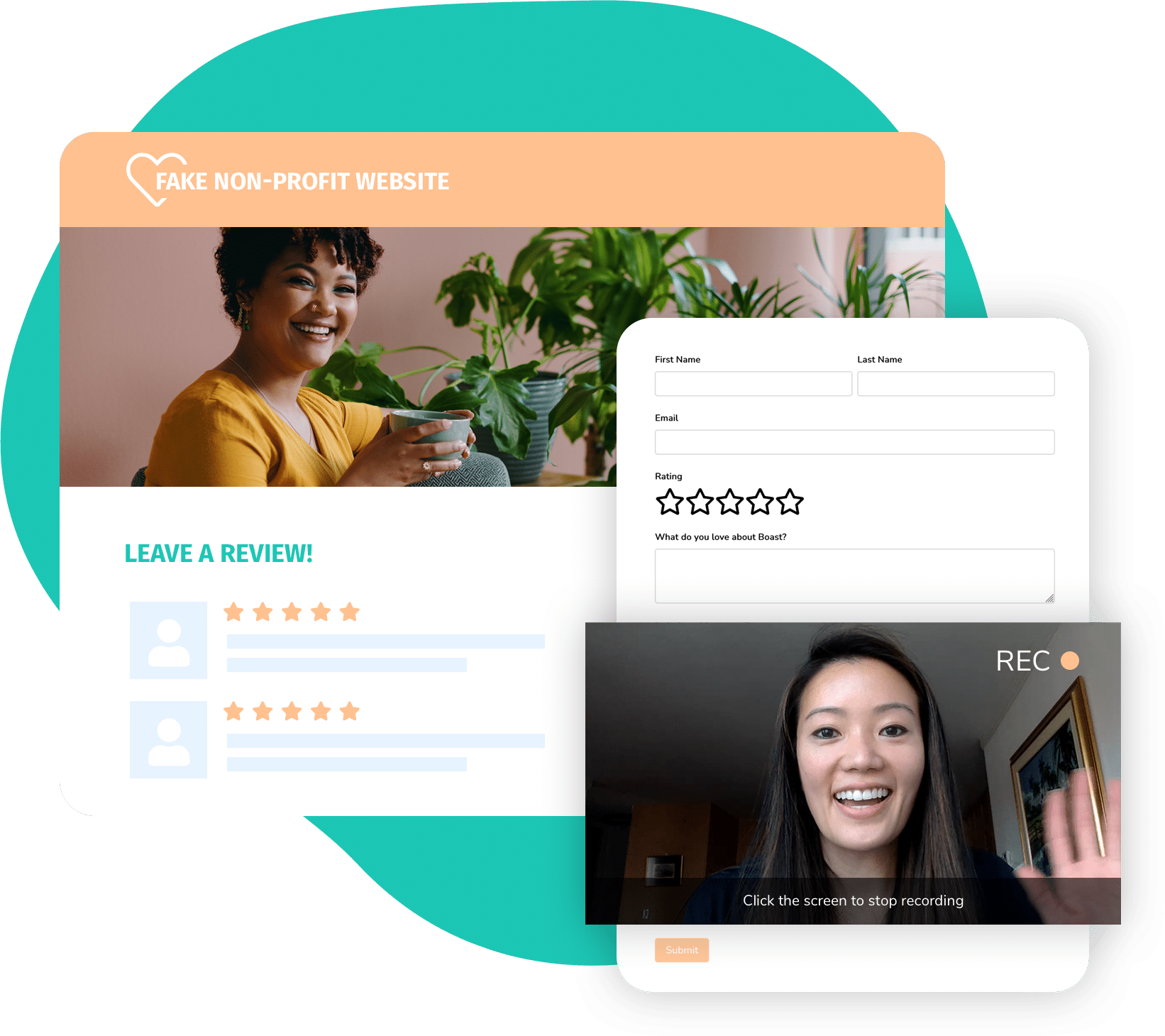
A good survey setup does both. It gives every customer a private way to share feedback with you, and makes it easy for happy customers to leave a review or a testimonial. In Boast, you can show a different thank-you message based on the rating, so someone who's frustrated hears "we'd like to make this right" and someone who's thrilled gets an easy link to share their story.
The short version
- Reply within a day. Thank them, ask one question.
- Offer a call. Listen, repeat back, commit to a next step.
- Follow up when it's fixed.
- Read detractor comments together and fix the biggest pattern.
A low score isn't a verdict. It's a customer who still cares enough to tell you. Answer them.
Want an easier way to run NPS® surveys and act on the answers? Boast runs NPS®, CSAT and CES surveys and keeps every response in one place. Try it free for 14 days, no credit card required.
 Customer Feedback
14 Customer Experience Questions to Improve Your Website or App
When your customers find what they’re looking for on your website, they’ll be more likely to make a purchase, contact you, download …
 Customer Feedback
What People Really Look for in Reviews (It’s Not What You Think)
As you might assume, customers aren’t reading carefully through your reviews, word-for-word. Customers are busy and look for a few things in …
 Customer Feedback
Can AI-Generated Testimonials Hurt Your Brand?
AI-generated testimonials can hurt your brand, your customers’ trust, and your business. Let’s explore.