
Have you ever jumped in on a brand’s social media campaign? It’s tempting, isn’t it? These campaigns are often associated with a hashtag and encourage consumers to share a photo or video of them using the brand’s product. Perhaps there is a prize involved, but most often we do it because we have an emotional connection to the brand. When you submit that photo or video, it’s considered user-generated content, or UGC, and (with proper consent) can now be used by the brand in its marketing. In this blog, we’re going to share ten inspiring examples of user-generated content in marketing. First, let’s talk about the importance of UGC and how to get it.
Why is User-Generated Content Important in Marketing?
UGC should be an essential component of your marketing strategy. Why? Because most consumers don’t trust ads and marketing content that comes directly from the brand. Consumers find content created by real people who’ve tried the product or service to be more reliable and engaging.
Marketers can leverage UGC in their marketing strategy to share content that is relatable and trustworthy. Don’t take our word for it. Here are some powerful statistics about UGC in marketing:
- 79% of people say UGC highly impacts their purchasing decisions.
- 42% of marketers say user-generated content is a vital component of their marketing strategy.
- Ads featuring UGC garnered 73% more positive comments on social networks than traditional ads.
- 48% of marketing professionals believe that content created by customers can help humanize their marketing.
All in all, UGC provides a humanistic approach to marketing that shouldn’t be ignored. Later in this blog, we’ll take a look at examples of user-generated content and how brands have adapted it into their marketing.
Featured Resource: Testimonial Request Email Templates
Download the Testimonial Request Toolkit
How to Collect User-Generated Content?
You now understand what UGC is and why it’s important to your marketing strategy, but how do you get UGC? There are multiple ways to collect UGC from your customers. Below are some options we recommend to help you get started.
Branded Hashtag
A branded hashtag is an excellent option for getting started when it comes to UGC. This is especially true if your brand already has a strong presence on social media. With a branded hashtag, your customers will be able to easily submit UGC by adding the hashtag to their social media post.
Here are a few things to keep in mind when using this strategy:
- Create a unique hashtag that is relevant to your brand or campaign but won’t get cluttered with unrelated content.
- Determine which social platform(s) you’d like to run the hashtag campaign on. We recommend using platforms your customers are comfortable with.
UGC Video Contest
Contests are a fun way to engage with your audience and collect UGC. The stakes are raised when a prize is involved! The prizes you offer can be related to your brand’s product or services, or they could be of monetary value, like a gift card.
The contest could easily be run on social media with a branded hashtag or have your customers tag you in their post. On the other hand, you can use a landing page on your website through a form submission.
Here are a few things to keep in mind when using this strategy:
- Create an advertisement to help get the word out about your contest. If you’re using social media to hold your contest, we recommend using the same platform to advertise.
- Write clear rules and guidelines for the contest to ensure you’re collecting UGC that can be used in your marketing.
Form Submission on Website
Dedicate a landing page on your website to collecting UGC from your customers. The landing page should include the type of content you’re looking for and a form to submit the content. We recommend using a platform with all the tools you need to create a landing page, form, and system to manage your UGC.
Here are a few things to keep in mind when using this strategy:
- Provide clear instructions on how to submit content through the landing page form.
- Include guidelines as to what type of content you’re looking for.
- Clearly state what the content will be used for and receive your customer’s consent to use their content in your marketing.
Automated Email Campaigns
A tried and true method for collecting UGC is through automated email campaigns. The best thing about this strategy is that you can set up the campaign, sit back and watch the content roll in.
There are multiple ways to request a testimonial or review from your customers. We recommend including an automated request within 2-6 months after using the product or service. This will vary depending on your type of business, so choose the time frame that feels natural to the customer.
Here are a few things to keep in mind when using this strategy:
- Personalize the email with the customer’s name and other details that pertain to their field of work or interests.
- Keep it short and sweet. You don’t want to overwhelm the customer with a lot of details. Include the need to know information and how they can submit their content.
Featured Resource: Testimonial Request Email Templates
Download the Testimonial Request Toolkit
10 Examples of User-Generated Content in Marketing
1. Starbuck’s #RedCupContest
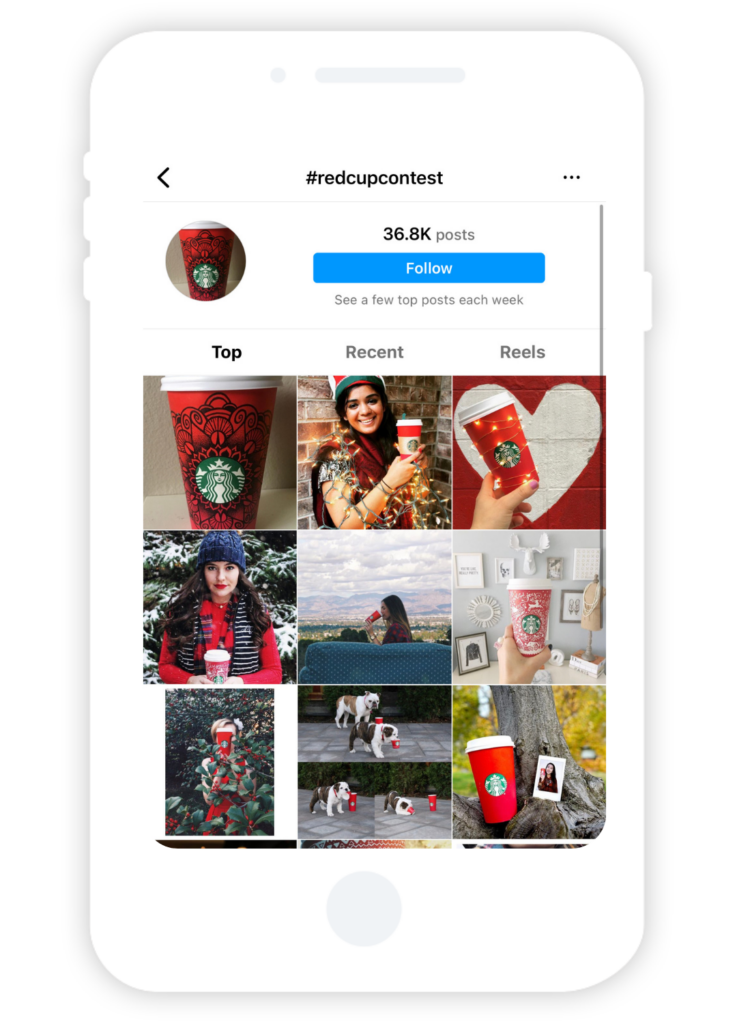
The contest was a hit with consumers and gained traction quickly. At the end of the campaign, Starbucks received thousands of photos to use in their marketing. Not only that, but their revenue increased as well since people had to first buy a drink to obtain the red cup.
This UGC campaign is a win-win.
2. Airbnb and the “Regram” Approach
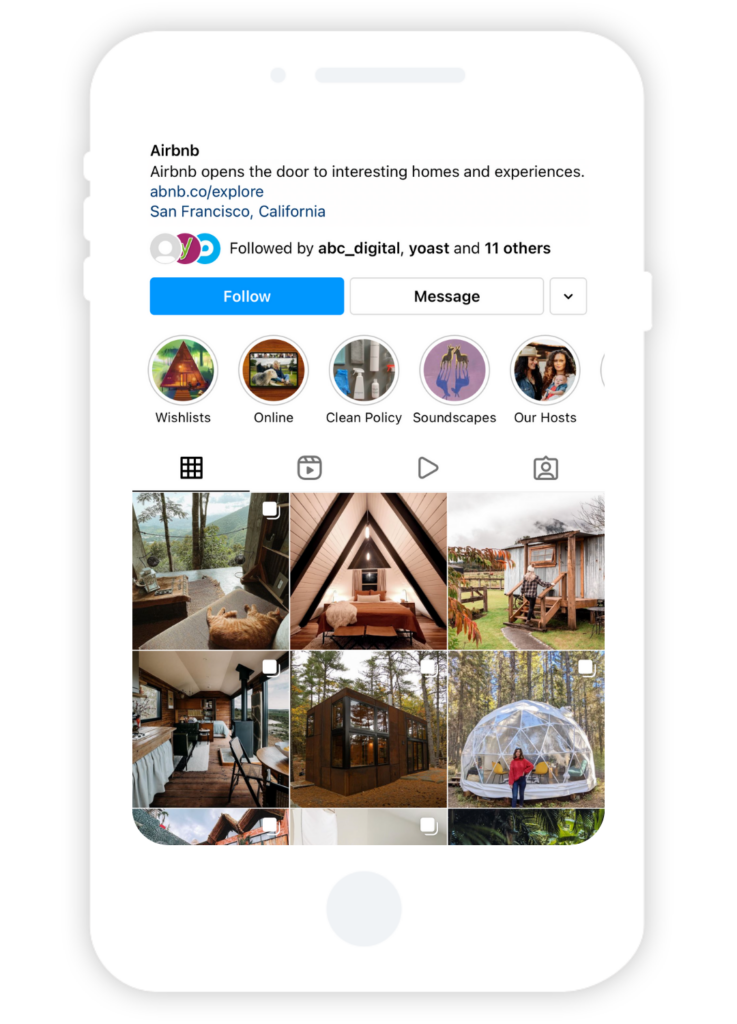
The best thing about the “regram” approach is that it does not have to be limited to resharing on Instagram. Generally speaking, Instagram is where a lot of UGC can be found, but with permission, it can be shared to other social media sites, used in advertisements, and be added to your website.
Depending on your type of business, the “regram” method may be what you need to boost your social media presence. You may need to begin with a branded hashtag, but eventually, customers will simply start tagging your social media account as well.
3. Adobe Lightroom Community Email
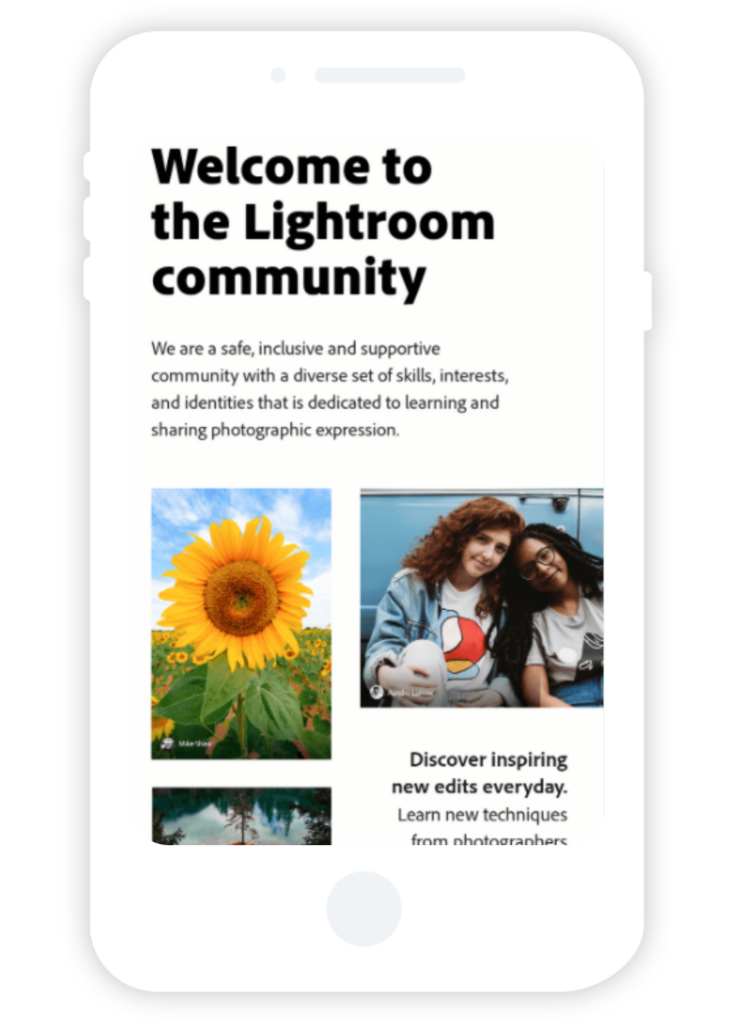
When a customer joins the Lightroom community, they’re sent an email welcoming them. In this email, Adobe places user-generated images into the email with the creator’s name. By sharing examples from the community, it creates a sense of what they will see within the Lightroom community.
Sharing examples of user-generated content in emails creates an inviting and emotional connection to those who open the email. Images and direct quotes work best with email, but links to videos containing UGC are a good option as well. Animated GIFs do wonders too!
4. Smile Direct Club Shares UGC on Website
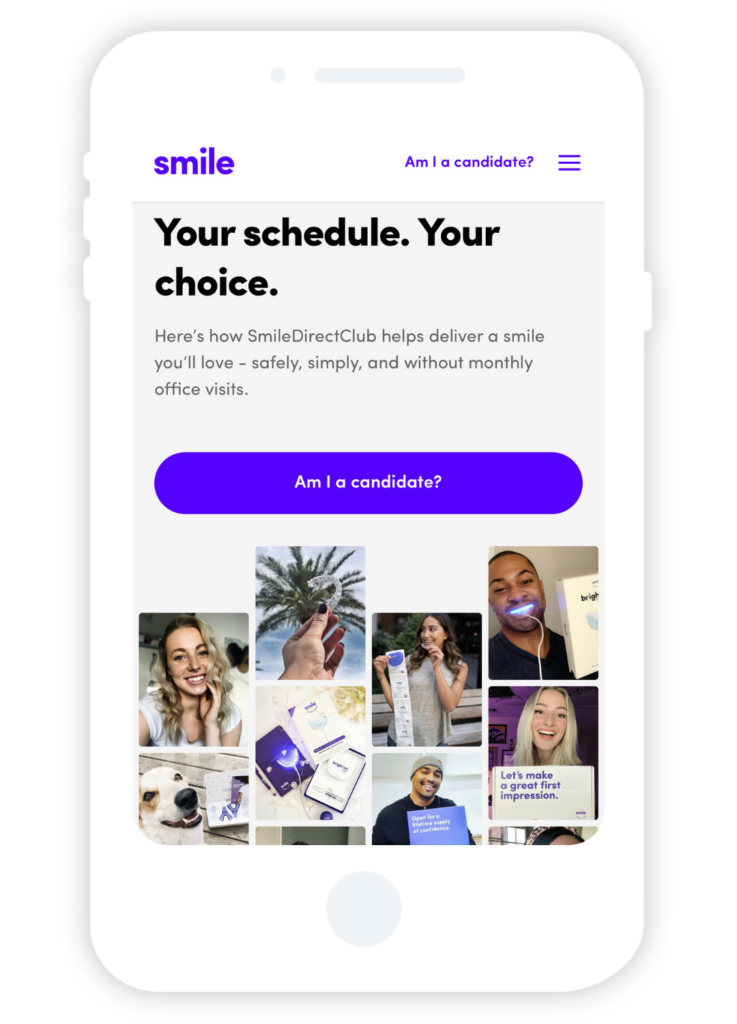
In the example here, Smile Direct Club has added a collage of user-generated photos with real people using their products. They’ve done an excellent job showing variety in hopes that a person will connect with at least one of the photos shared.
Another common approach to sharing UGC on your website is to include social media feeds. There are a few ways this can be done. You can use a specific hashtag to feature posts that use your branded hashtag. Or you can have the feed attached to your brand’s account so only approved photos are shared.
5. Square’s Customer Product Videos
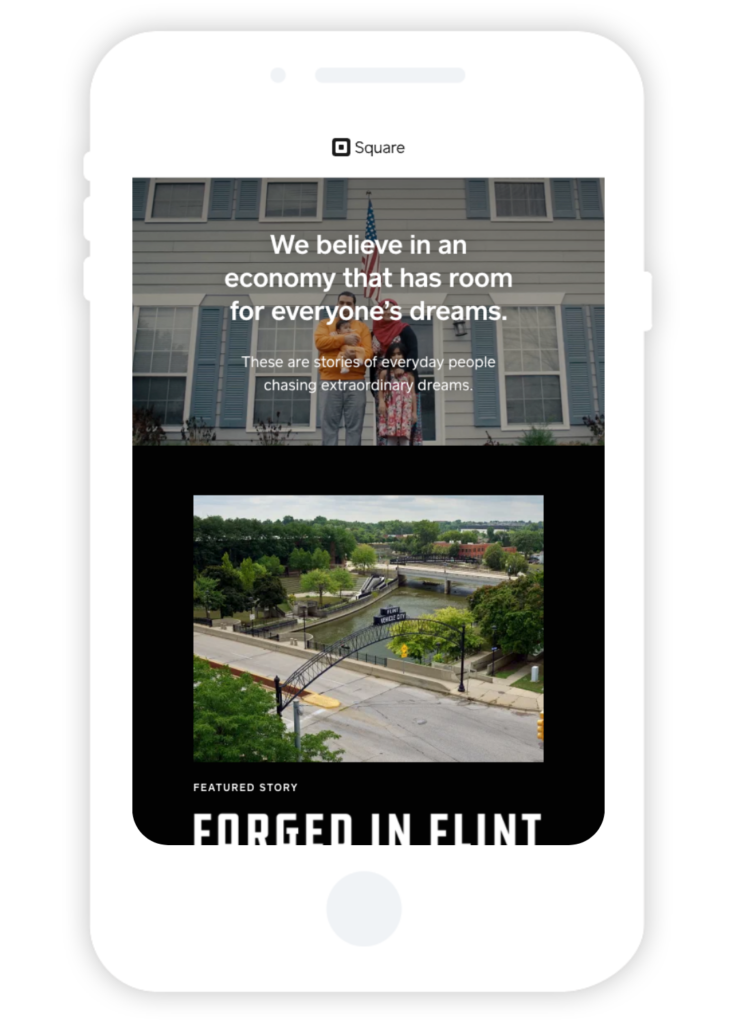
Video testimonials are an excellent way to create an emotional connection with potential customers. According to Wyzowl’s recent report, 88% of people say they’ve been convinced to buy a product or service after watching a video.
The “Square Stories” campaign quickly evolved as customers shared their stories. They’ve expanded the campaign to “For Every Kind of Dream,” highlighting the many inspiring stories and good works of Square users. This campaign generated even more attention, with over 325,000 views.
6. Sephora’s Buyable Customer Photos
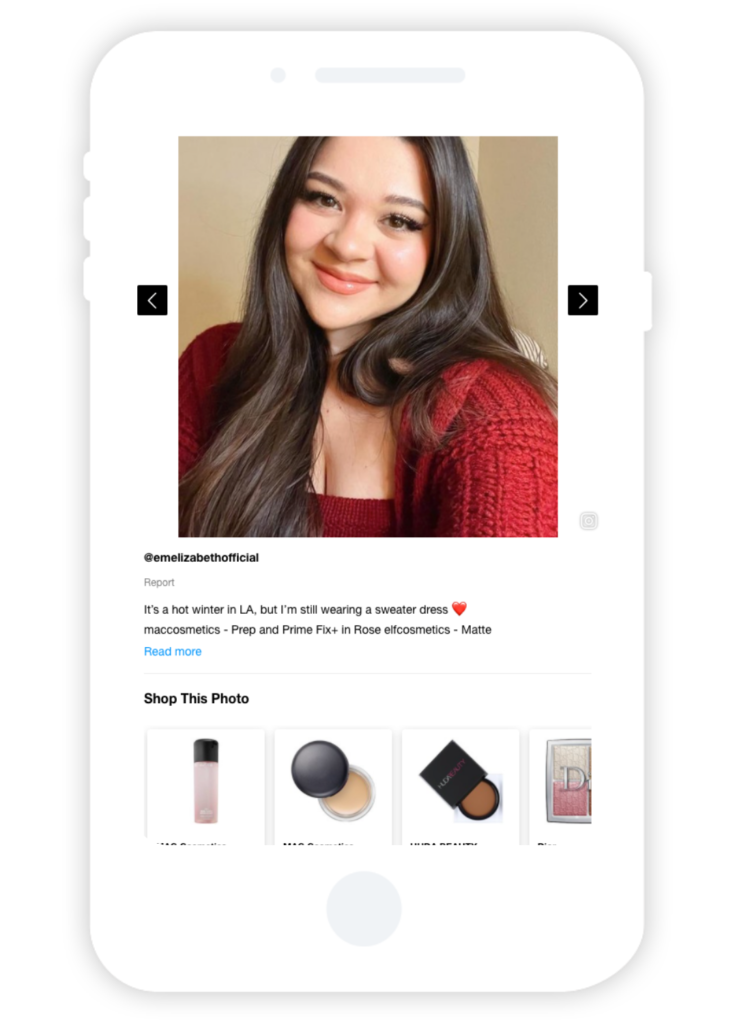
When it comes to makeup, it can be difficult to shop for the correct shade or look online without a point of reference. This board allows customers to buy beauty looks online with confidence by giving them a customer who looks like them as a reference. This type of user-generated content helps brands increase product sales by featuring genuine, real customers as their models.
Over the years, the Beauty Board has become a social network for beauty artists of all types, and one of the most colorful user-generated content examples. Thousands submit their beauty tips on this Pinterest-like forum, with some customers spending over 30 hours a week on the site!
Featured Resource: Testimonial Request Email Templates
Download the Testimonial Request Toolkit
7. Lay’s Interactive Customer Contest
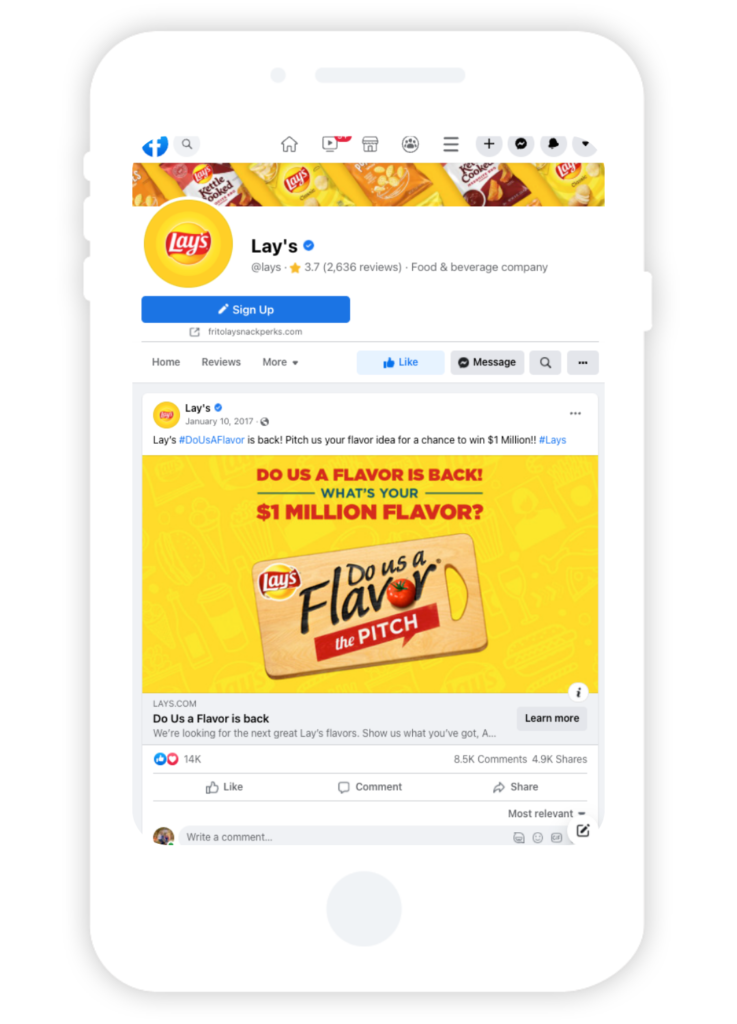
The winning flavor is added to the shelves long-term and the customer who won the contest is featured in the campaign and wins money. This type of contest is possible for a large company, like Lay’s, because they’re a well-known brand. However, this user-generated content example isn’t limited to only big brands. You can run an interactive contest with your customers on a smaller scale to create a fun buzz around your brand.
8. GoPro’s Social Media Customer Photos
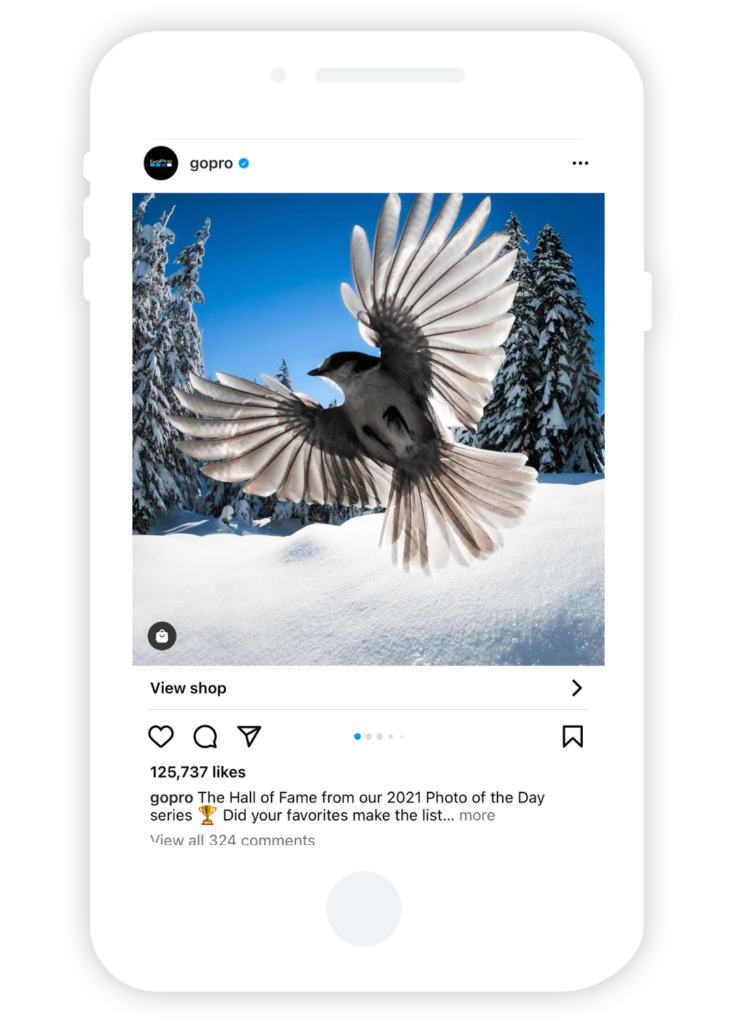
9. Calvin Klein’s #MyCalvins
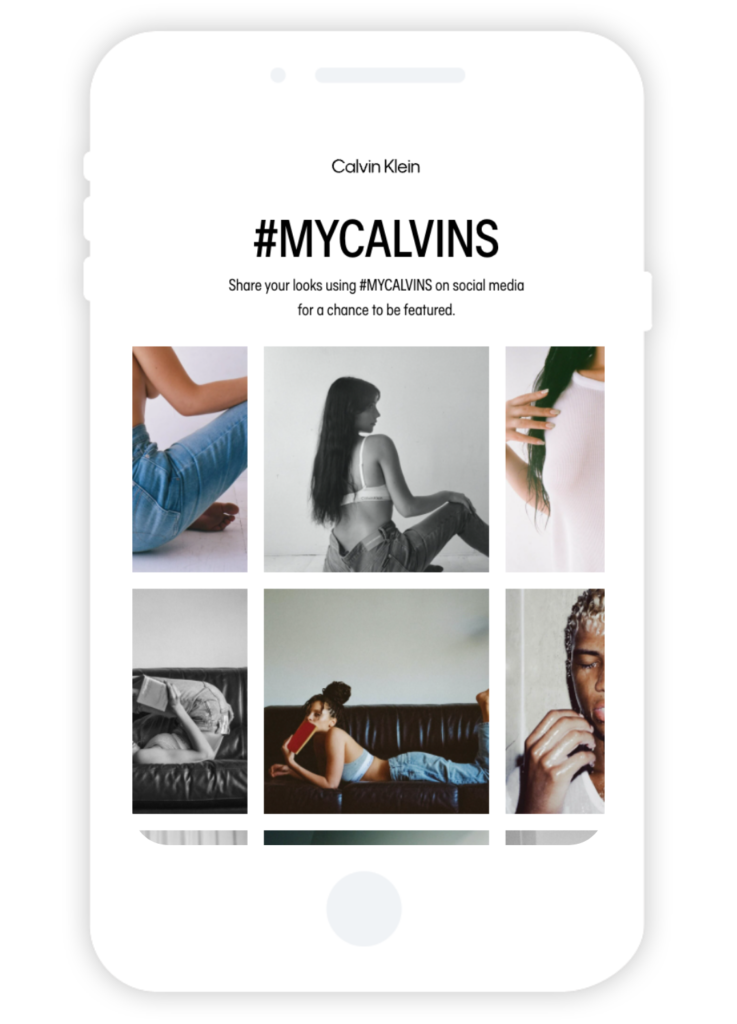
These examples of user-generated content become free advertising for the Calvin Klein brand. It also creates a community for Calvin Klein customers to share their love for the brand. Adding hashtag campaigns to your marketing strategy is a wise decision, especially if that’s where your audience is.
10. Nike’s “Better For It” Women Empowerment Campaign
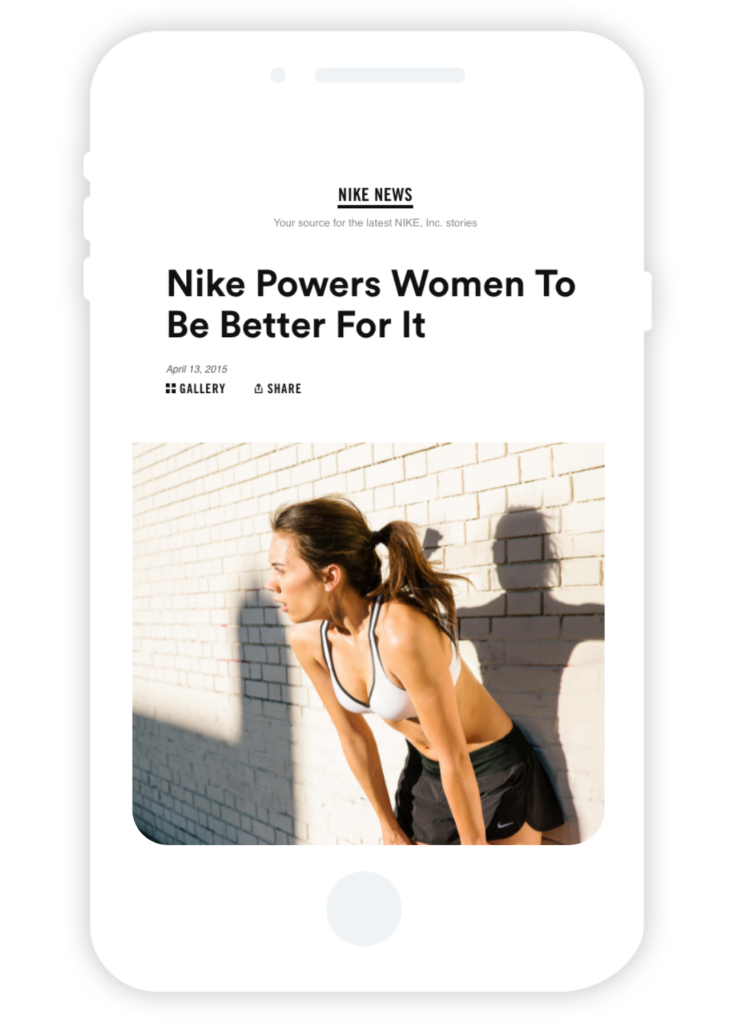
With a powerful, positive message, exemplary leadership, and traditional and inbound marketing techniques, they generated interest across the social sphere and created a body-positive community for women. These examples of user-generated content aren’t product-centric, but they’re a significant boost to Nike’s brand awareness, value, and overall community.
Featured Resource: Testimonial Request Email Templates
Download the Testimonial Request Toolkit
Summary
We hope these examples of user-generated content have helped to inspire you. If you’re just getting started with UGC, begin with a campaign to build a library of praise. A branded hashtag is a great place to start or ask your customers via automated email requests. No matter where you’re at with UGC, we highly recommend using it in your marketing to build trust with prospects.
Boast is the only Proof-Based Marketing platform.
Join 8,000+ organizations embracing Proof-Based Marketing to build trust, improve customer relationships, and increase sales. Start collecting feedback and sharing praise in minutes.

Boast is the only Proof-Based Marketing platform.
Join 8,000+ organizations embracing Proof-Based Marketing to build trust, improve customer relationships, and increase sales. Start collecting feedback and sharing praise in minutes.
Boast is the only Proof-Based Marketing platform.
Join 8,000+ organizations embracing Proof-Based Marketing to build trust, improve customer relationships, and increase sales. Start collecting feedback and sharing praise in minutes.
Boast is the only Proof-Based Marketing platform.
Join 8,000+ organizations embracing Proof-Based Marketing to build trust, improve customer relationships, and increase sales. Start collecting feedback and sharing praise in minutes.
Boast is the only Proof-Based Marketing platform.
Join 8,000+ organizations embracing Proof-Based Marketing to build trust, improve customer relationships, and increase sales. Start collecting feedback and sharing praise in minutes.
Boast is the only Proof-Based Marketing platform.
Join 8,000+ organizations embracing Proof-Based Marketing to build trust, improve customer relationships, and increase sales. Start collecting feedback and sharing praise in minutes.
Boast is the only Proof-Based Marketing platform.
Join 8,000+ organizations embracing Proof-Based Marketing to build trust, improve customer relationships, and increase sales. Start collecting feedback and sharing praise in minutes.
Boast is the only Proof-Based Marketing platform.
Join 8,000+ organizations embracing Proof-Based Marketing to build trust, improve customer relationships, and increase sales. Start collecting feedback and sharing praise in minutes.
Boast is the only Proof-Based Marketing platform.
Join 8,000+ organizations embracing Proof-Based Marketing to build trust, improve customer relationships, and increase sales. Start collecting feedback and sharing praise in minutes.
Posted in: Social Proof